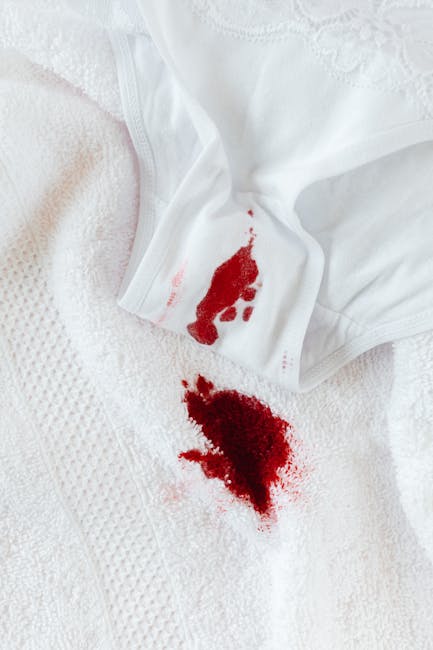
Common stains and how Kingston cleaners remove them fast
Posted on 18/06/2026
Spilled red wine on a pale carpet. Coffee on an office chair. Mud tracked in after a wet Kingston afternoon. It happens quickly, and usually at the worst possible moment. The good news is that Common stains and how Kingston cleaners remove them fast is not just about brute-force scrubbing; it is about knowing what the stain is, what the fabric or fibre can handle, and which method lifts the mark without making it spread.
If you have ever dabbed a stain for ten minutes and watched it look worse afterwards, you are in the right place. This guide breaks down the most common stains, how professionals deal with them, what to try first at home, and when it makes sense to bring in a local specialist. For deeper fabric care, you may also find the team's carpet cleaning service in Kingston upon Thames useful, especially when a spill has soaked beyond the surface.
We will keep it practical, plain-English, and realistic. No dramatic promises. Just what works, what does not, and how to avoid turning a small spill into a bigger headache.
Why common stains matter
Stains are more than a cosmetic problem. Left alone, they can bond to fibres, trap odours, or attract more dirt. In homes, that means a carpet, rug, sofa, or mattress starts to look tired earlier than it should. In busy workplaces, one coffee splash on an entrance mat or reception chair can quietly drag down the whole look of the room. You notice it every time you walk past. Everyone else does too.
Speed matters because fresh stains are usually easier to lift than old ones. That sounds obvious, but it is exactly why professional cleaners move fast: they identify the stain, stop it from setting, and choose a treatment that matches the material. A wool carpet and a synthetic office chair do not behave the same way. Treating them the same is where people get into trouble.
Kingston homes and businesses see a pretty ordinary mix of stains: tea, coffee, muddy footprints, pet mess, food grease, ink, makeup, red wine, and the occasional emergency spill after a meal or party. If you have been hosting friends and someone has knocked a glass over halfway through the evening, you are not alone. If anything, that is one of the most common callouts after a good night out in town.
There is also a trust angle here. Fast stain removal is often what separates a tidy-looking room from one that feels neglected. That matters for landlords, tenants, homeowners, shop owners, and anyone preparing for guests or a property handover. If you are tackling a whole-property refresh, it can be worth looking at deep cleaning in Kingston upon Thames as part of the bigger picture.
How common stains and how Kingston cleaners remove them fast works
Professional stain removal is less about mystery chemicals and more about process. First comes identification. Is the stain water-based, oil-based, protein-based, or dye-based? That single question changes everything. Coffee behaves differently from grease. Blood is not the same as mud. Ink is a different beast again.
Next comes testing. A good cleaner will check the fibre type, colourfastness, and pile condition before applying anything aggressive. That matters because a quick fix that fades the fabric is not a fix at all. To be fair, this is where a lot of DIY attempts go sideways. People reach for the strongest thing under the sink, and suddenly the stain is gone but so is part of the colour.
From there, the method depends on the stain:
- Blotting and extraction for fresh liquid spills like juice, tea, or wine.
- Enzyme or protein-breaking treatment for food, milk, vomit, or pet accidents.
- Solvent-safe spot treatment for greasy food, makeup, or body oils.
- Oxidising or reducing agents for some dye-based marks, handled carefully.
- Hot water extraction for deeper carpet contamination once the stain has been loosened.
In many cases, the fastest results come from a two-stage approach. First the stain is loosened or neutralised, then the area is rinsed or extracted so residue does not stay behind. That residue is the hidden problem people often miss. It can make the spot reappear later, or attract new dirt, which is irritating in the extreme.
For upholstery, especially sofas and dining chairs, professionals tend to use lower-moisture techniques and controlled application. If your furniture is involved, the guidance on upholstery cleaning in Kingston upon Thames is worth a look, because soaking a cushion is not the same as cleaning a hallway carpet. Not even close.
Key benefits and practical advantages
Fast stain removal gives you more than a cleaner-looking room. It protects materials, saves time, and usually reduces the chance of permanent damage. That last part is the big one.
- Better chance of full removal: fresh stains are generally easier to lift before they bond.
- Less spreading: correct treatment stops the stain from travelling through the pile or fabric.
- Reduced odour: especially helpful with food, pet, or moisture-related marks.
- Cleaner finish overall: one stain often hides dirt around it, so a professional clean improves the surrounding area too.
- Longer fabric life: the right product avoids fibre abrasion and colour loss.
- Better presentation: useful for end of tenancy, guest visits, or customer-facing spaces.
There is also something reassuring about not having to guess. A lot of people waste time trying the same dab-and-scrub routine over and over. The room still smells faintly of coffee, the carpet looks patchy, and now there is a damp circle where the stain used to be. Not ideal. Fast professional treatment tends to be calmer, cleaner, and less disruptive.
For landlords and tenants in particular, it can be the difference between a smooth handover and a stressful last-minute scramble. That is one reason some readers pair stain removal with end of tenancy cleaning in Kingston upon Thames when a property needs to look properly finished.
Who this is for and when it makes sense
This topic matters to a wider group than you might think. It is not just for people with a dramatic spill and a slightly panicked face.
Homeowners need it when carpets, rugs, sofas, or mattresses pick up everyday marks from family life. Think breakfast spills, muddy shoes after school runs, or an accidental splash from a takeaway curry. Real life, basically.
Tenants often need fast stain removal before inspections or move-out dates. If a stain sits in a carpet for weeks, it can become much harder to shift cleanly. That is one reason people sometimes ask for support alongside domestic cleaning in Kingston upon Thames or a one-off refresh.
Landlords and letting agents use it to get properties back into presentable condition between occupancies. No one wants a lingering red wine mark in a lounge just before new tenants arrive.
Office managers and shop owners need speed because visible stains in reception areas, waiting rooms, or customer seating can be distracting. If a tea spill lands on a chair on Monday morning, it should not still be there by lunch. A cleaner, more strategic response is easier to manage through office cleaning in Kingston upon Thames.
When does it make sense to call a professional? Usually when the stain is large, old, oily, dye-based, on delicate fabric, or already partially treated with something random from the cupboard. That last one is common, and a bit of a classic.
Step-by-step guidance
If you want the best chance of success, the first few minutes matter. Here is the sensible sequence professionals tend to follow, simplified for everyday use.
- Act quickly but calmly. Blot, do not rub. Rubbing pushes the stain deeper and can fuzz up the fabric.
- Identify the stain. Is it food, drink, grease, ink, makeup, mud, or something else? If you are unsure, treat it as a mixed stain and be gentle.
- Check the surface. Carpet, wool rug, synthetic chair, leather, or mattress all need different handling.
- Test a hidden area. Always. Even a mild solution can affect colour or finish.
- Apply the right pre-treatment. Professionals use targeted products rather than one universal cleaner. That is the real secret, if there is one.
- Lift and extract. Once the stain breaks down, the area is removed or rinsed so residue does not linger.
- Dry properly. Damp fabric can create rings, odour, or reappearing marks.
- Re-check after drying. Some stains only reveal a faint shadow once the area dries. Annoying, but normal.
For deeper or more stubborn contamination, cleaners may follow up with a broader treatment. If the spill has spread through a carpet or left a smell behind, a service like one-off cleaning in Kingston upon Thames can make more sense than patching the spot alone.
Quick rule: the less you scrub, the better your outcome usually is.
| Stain type | Fastest professional approach | What usually goes wrong at home |
|---|---|---|
| Red wine | Blot, pre-treat, extract, then rinse | Rubbing and making the stain spread |
| Coffee or tea | Water-based spot treatment and controlled extraction | Using too much liquid and creating a ring |
| Grease or oil | Solvent-safe degreasing and careful lift-out | Adding water first, which can lock it in |
| Pet accidents | Enzyme treatment plus odour removal | Masking the smell without removing the source |
| Ink or dye | Specialist stain control with cautious testing | Scrubbing and smearing the pigment |
Expert tips for better results
There are a few habits that make a big difference. Nothing fancy. Just sensible stuff that saves time and damage.
- Work from the outside in. This keeps the stain from growing.
- Use as little moisture as possible first. Too much water can spread the mark or soak the underlay.
- Keep white cloths handy. Coloured cloths can transfer dye. Yes, really.
- Let chemistry do the work. Give the cleaner time to break down the stain before you blot again.
- Do not mix products. Bleach, vinegar, detergents, and stain removers can react badly together.
- Treat odour separately. A stain may be gone while the smell remains. That needs its own solution.
One small but useful observation: in brighter morning light, stains often look worse than they do at night. A mark that seemed tiny at 8 p.m. can feel massive by 8 a.m. with the curtains open and a cup of tea in your hand. It is funny, in a way, but not really.
When you are dealing with a fabric sofa or a delicate rug, it is often safer to stop before making things worse and ask for help. You may also want to read spring cleaning support in Kingston upon Thames if the stain is part of a bigger seasonal tidy-up.
Common mistakes to avoid
Most stain disasters are not caused by the spill itself. They happen during the cleanup. That is the honest truth of it.
- Rubbing instead of blotting: it pushes pigment deeper into fibres.
- Using hot water too early: heat can set protein stains and make some dyes stick harder.
- Over-wetting the area: this can leave tide marks or spread contamination.
- Trying random products one after another: mixed residues can be difficult to remove later.
- Ignoring the backing or underlay: the surface may look fine while the smell comes from below.
- Waiting too long: old stains become more stubborn and may need deeper treatment.
There is also a common assumption that if a stain lightens a bit, it is safe to keep going. Not always. Sometimes it is better to leave a faint trace than damage the fibre finish. A professional will make that call carefully, and that judgement matters.
If you are comparing options for a property clean, the article on avoiding hidden charges in Kingston carpet cleaning quotes is a useful companion read. It helps set expectations before the work starts.
Tools, resources and recommendations
You do not need a cupboard full of specialist products to handle a fresh spill well. A few basics are enough for most first responses.
- Clean white microfibre cloths or plain white towels
- A small bowl of cool water
- A gentle stain remover suitable for the fabric type
- A soft brush for very light agitation, if appropriate
- Gloves if the stain is biological or unpleasant
- Good airflow for drying afterwards
For more involved jobs, professionals may use extraction equipment, controlled spray tools, and fibre-safe cleaning agents. The important thing is not the gadget, honestly. It is the judgement behind it.
If you are planning a full property reset, the broader services overview is useful for understanding where stain removal fits alongside general cleaning, upholstery care, and one-off visits.
For property owners and managers, it is also smart to keep a record of what was used, especially if a material is delicate or the same surface may need repeat treatment later. That kind of note saves time and reduces guesswork next time. A tiny admin habit, but it helps.
Law, compliance, standards, or best practice
Stain removal itself is not usually a heavily regulated activity, but professional cleaners still need to work within UK best-practice standards for safety, handling products responsibly, and protecting property. In plain terms, that means using suitable chemicals, following manufacturer guidance where available, and taking care around people, pets, and fragile surfaces.
For commercial premises, there is also a duty of care to keep spaces reasonably safe and presentable. Spills should be dealt with promptly to reduce slip risks and prevent staining from becoming a longer-term issue. That is common sense, but it is also part of good facilities management.
Reputable cleaners should be able to explain what they are using, why it is appropriate, and any precautions needed while the area dries. If you are booking a visit, it is sensible to ask about insurance, safety, and their approach to delicate materials. The company's insurance and safety information and health and safety policy are the kind of pages that help set expectations before anyone starts work.
For anyone handling access, privacy, payment, or complaints concerns, it is reassuring to check the relevant policy pages too. That is not just paperwork. It tells you how a business works when something needs attention. A tidy process is often a sign of tidy cleaning, if that makes sense.
Options, methods, or comparison table
Different stain removal methods suit different situations. The right choice depends on the stain, the surface, and how quickly you need the result.
| Method | Best for | Pros | Limitations |
|---|---|---|---|
| Home spot cleaning | Fresh, small spills | Fast, cheap, convenient | Easy to overdo; not ideal for delicate fabrics |
| Professional stain treatment | Stubborn or unknown stains | Targeted, safer, more effective | Needs a visit and may cost more than DIY |
| Deep clean with extraction | Carpets with residue, odour, or spread | Removes more than the visible mark | Longer drying time |
| Upholstery-specific cleaning | Sofas, chairs, mattresses | Lower moisture, fabric-safe methods | Some stains may need repeat treatment |
As a rule, the more expensive method is not always the right one. The best method is the one that matches the material and the stain. Simple, but easy to miss when you are staring at a mark and feeling a bit stressed.
Case study or real-world example
Picture a typical Kingston dining room after a Friday evening get-together. Someone has knocked over a glass of red wine, a small amount of sauce has dropped near the chair, and one guest has brought in mud from a damp pavement. It is not dramatic, just messy enough to bother you every time you look at it.
A cleaner arriving the next morning would usually start by separating the issues: the wine stain, the food mark, and the tracked-in dirt. The carpet fibre would be checked, the areas treated individually, and the spill residue lifted before extraction. The wine might need a different approach from the sauce. The mud is often the easiest part, provided it has not been scrubbed into the pile already.
What tends to impress people is not only the visible stain disappearing, but the way the room smells fresher and looks more even afterwards. The carpet does not have that odd damp patch or ring around the original spill. It just looks like itself again, which is the goal really.
That same approach works just as well for a sofa after a movie-night spill or an office reception chair after a coffee accident. Fast, careful, and not overcomplicated. Which, let's face it, is exactly what most people want.
Practical checklist
Use this quick checklist before, during, or after a stain appears.
- Act as soon as you notice the spill.
- Blot gently with a clean white cloth.
- Identify the stain type if you can.
- Test any product in a hidden area first.
- Avoid scrubbing, especially on carpet pile or woven upholstery.
- Keep moisture controlled and do not soak the area.
- Rinse or extract residue where appropriate.
- Allow proper drying with ventilation.
- Re-check once dry for shadows or odour.
- Call a professional if the stain is old, large, greasy, or on a delicate material.
If you are dealing with water ingress, damp patching, or the aftermath of a larger incident, it may be more than a simple stain issue. In that situation, last-minute flood cleanup and emergency cleaning in Kingston is a useful related read.
Conclusion
Most stains are manageable when they are handled quickly, calmly, and with the right method. That is the heart of Common stains and how Kingston cleaners remove them fast: identify the mark, protect the fabric, and avoid the usual DIY mistakes that make life harder. Fresh spills are easier, old spills are trickier, and delicate materials need a gentler hand than most people expect.
If you remember only one thing, make it this: blot first, test first, and do not over-wet the area. That alone saves a surprising amount of trouble. And when the stain is stubborn, unknown, or already half-treated with something from the cupboard, a professional visit is often the safer and faster route.
For a broader look at the team behind the service, you can also read about us and browse the latest Kingston cleaning advice and articles for more practical guidance.
Get a free quote today and see how much you can save.
Sometimes the quickest fix is also the kindest one for your home. A clean room has a way of making everything feel lighter.