Compliance checklist for cleaning contractors in Kingston borough
Posted on 17/08/2026
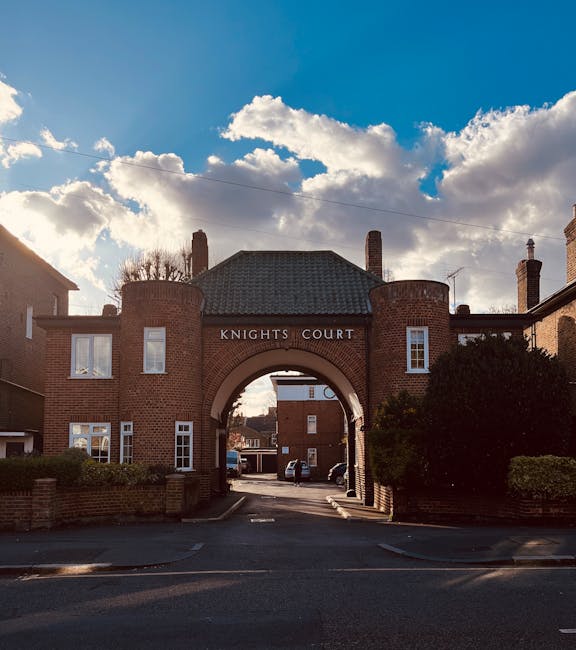
If you run or manage a cleaning business locally, a solid compliance checklist for cleaning contractors in Kingston borough is one of those things that quietly keeps everything from wobbling. It protects your staff, reassures clients, and saves you from the kind of awkward, expensive surprises nobody wants at 7:30 on a wet Tuesday morning. Whether you clean homes, offices, rental properties, or specialist fabrics, the basics still matter: paperwork, insurance, training, risk control, waste handling, and clear customer terms.
In Kingston, that also means thinking carefully about how you work around flats, town centre properties, managed estates, and busy commercial spaces. The aim here is simple: give you a practical, human-friendly guide to compliance that is actually usable on the job, not a dusty folder of theory. And yes, we'll keep it plain English. Much easier on the brain.
- Why compliance matters in Kingston borough
- How the checklist works in day-to-day cleaning work
- Key benefits and practical advantages
- Who needs this checklist and when it makes sense
- Step-by-step guidance for contractors
- Expert tips for stronger compliance
- Common mistakes to avoid
- Tools, resources and recommendations
- Law, compliance, standards and best practice
- Options, methods and comparison table
- Case study or real-world example
- Practical checklist
- Conclusion
- Frequently asked questions
Why Compliance checklist for cleaning contractors in Kingston borough Matters
Compliance is not just about avoiding trouble. It is about proving you are safe, organised, and reliable. In cleaning, that matters because you are working in people's homes, offices, communal areas, and sometimes in spaces where hygiene, slips, chemicals, privacy, or access arrangements can become real risks very quickly.
In Kingston borough, contractors may work in everything from a small riverside flat to a busy office above a shop or a family house with carpets, upholstery, and mixed surfaces. One job may require delicate fabric care, another may involve waste removal, and another may need after-hours access and key handling. If your compliance is shaky, even a simple job can become messy fast.
Clients also notice. A well-run contractor looks prepared. They arrive with the right PPE, understand site rules, carry proof of insurance, know how to report hazards, and have a clear complaints procedure. That kind of professionalism builds trust, especially when a customer is comparing options and trying to decide who feels safe enough to let into their property.
Compliance is not paperwork for paperwork's sake. It is what makes the service feel calm, predictable, and properly managed.
It is also worth saying this plainly: some compliance tasks are legal or contractual duties, while others are industry best practice. Both matter. The legal stuff keeps you on the right side of obligations; the best-practice stuff keeps you competitive and credible.
How Compliance checklist for cleaning contractors in Kingston borough Works
The checklist works best when you treat it as a live process rather than a one-time audit. Before a job, you check whether the site is suitable, whether staff are trained, whether materials are safe, and whether the client has been told what to expect. During the job, you manage hazards, document anything unusual, and follow agreed methods. After the job, you confirm completion, handle waste properly, and keep the records you may need later.
That sounds straightforward, and mostly it is. The catch is that many cleaning problems are not caused by one big failure. They happen because lots of small things were skipped: a missing risk assessment, no chemical label, an unclear cancellation clause, a broken vacuum, no waste note, or an incomplete handover. Tiny gaps, but they add up.
A practical compliance system usually has five layers:
- Business compliance - insurance, contracts, policies, data handling, tax records, and company details.
- People compliance - training, right-to-work checks where relevant, supervision, PPE, and safe working practices.
- Job compliance - site checks, hazard spotting, chemical control, equipment safety, and client instructions.
- Waste and environmental compliance - disposal, recycling, contamination control, and handling of dirty water or waste items.
- Customer compliance - fair terms, transparent pricing, complaints handling, privacy, and clear communication.
If you already work in specialist cleaning, the approach is similar but the detail changes. For example, a contractor handling deep cleans, end of tenancy jobs, or upholstery work may need stronger process notes than a provider focused on routine domestic visits. The job type shapes the risk level, which shapes the checklist.
For readers comparing service types, it can help to review the wider service setup in the services overview and the practical scope of insurance and safety before choosing a contractor model. If your work includes regular commercial cleaning, the expectations around access, documents, and site control are usually tighter, as you would expect.
Key Benefits and Practical Advantages
A proper compliance checklist does more than reduce risk. It improves the whole business. You spend less time firefighting, fewer jobs go wrong, and clients are more likely to recommend you because you feel dependable. Simple as that, really.
Here are the most useful benefits in practice:
- Fewer accidents and incidents because hazards are spotted early.
- Less dispute risk because terms, scope, and pricing are clearer.
- Better staff confidence because people know what safe looks like.
- Stronger client trust when proof of insurance and procedures is easy to show.
- Cleaner handovers on end of tenancy, office, or one-off jobs.
- More consistent quality because the process does not rely on memory alone.
There is also a quiet commercial upside. Contractors who can show organised systems tend to convert more cautious customers. A landlord wants to know the job will be done properly. A facilities manager wants to know staff can work around other people without causing disruption. A homeowner wants reassurance that the cleaner will not damage a sofa, leave a slippery floor, or disappear after a complaint.
To be fair, that last one happens more often than it should. Not because people are dishonest, usually, but because they are disorganised. Compliance fixes that.
Who This Is For and When It Makes Sense
This checklist is for any cleaning contractor working in Kingston borough, but it is especially useful if you do one of the following:
- clean domestic homes or house shares
- handle office cleaning or small commercial contracts
- provide deep cleaning or one-off cleaning services
- carry out end of tenancy work for landlords or letting agents
- clean carpets, upholstery, or specialist soft furnishings
- manage multiple staff, subcontractors, or regular recurring visits
It also makes sense if you are just starting out and want to avoid building bad habits early. Many newer contractors focus hard on marketing and pricing, which is understandable, but compliance is what stops a busy schedule turning into a liability. If you are already established, this is the kind of checklist that helps when you expand, hire staff, or take on larger commercial work.
In the Kingston area, the local property mix means the checklist is handy for a wide range of settings. A flat near the town centre may have tight access and shared entrances. A family home might need clear communication about pets, fragile items, and parking. An office can have stricter client rules, cleaning windows, alarms, and confidential spaces. Different setting, same principle: know the risks before you start.
If you are also building a broader local presence, articles like life in Kingston and what locals have to say and the mix of urban energy and suburban calm in Kingston London can help you understand the kinds of properties and customer expectations you may encounter. Local context matters more than some businesses admit.
Step-by-Step Guidance
Here is a practical way to build your compliance routine without making it ridiculously complicated.
1. Register the business properly
Make sure your business details are accurate and consistent wherever they appear. That includes your trading name, address, contact information, and customer-facing documents. If you invoice, quote, or advertise, the details should match. Mismatched records create confusion and can weaken trust.
2. Put your insurance in order
Cleaners often rely on public liability cover, and sometimes employers' liability cover if they have staff. Depending on your services, you may also want to think about cover for tools, equipment, and accidental damage. Check the wording carefully. Insurance is only useful if it actually matches the work you do.
3. Create a short risk assessment process
You do not need a novel. You need a repeatable habit. Ask what could go wrong on this job: slips, trips, lifting, electrical equipment, chemicals, restricted access, fragile surfaces, or waste handling. Write down the main control steps. A simple pre-job sheet can do a lot of heavy lifting.
4. Train staff on chemicals and equipment
Cleaning chemicals should be stored, labelled, and used correctly. Staff should know dilution, contact times, ventilation needs, and what to do if something is spilled. Equipment should be checked, maintained, and used only for the right task. A tired machine on a damp floor is not a good combination, let's face it.
5. Standardise client communication
Tell clients exactly what is included, what is excluded, and what preparation is needed. Explain access requirements, parking issues, fragile items, and any areas that need to be left untouched. The fewer assumptions, the better.
6. Handle waste and disposal correctly
Some jobs create waste that cannot just go into the nearest bin. That may include soiled materials, broken items, packaging, or removed furnishings. If your work touches disposal or hard waste, it is worth reading the local guidance around hard waste cleaning and permits and upholstery disposal rules for cleaners. Practical waste handling is a compliance issue, not just a tidy-up task.
7. Keep records
Store job notes, complaints, incident logs, quotes, invoices, and training records. If something goes wrong later, records help you explain what happened. If you are audited by a client or asked to prove due process, you will be glad you kept them.
And yes, records are boring. But boring records beat stressful guesswork every time.
Expert Tips for Better Results
The best compliance systems are the ones that people actually use. Here are a few tactics that work well in real cleaning businesses.
- Keep one master checklist and one job-specific checklist. The master version covers your general duties; the job sheet covers the actual visit.
- Make safety visible. If PPE, warning signs, and gloves are easy to find, staff are far more likely to use them properly.
- Review complaints without getting defensive. A complaint often shows a weak spot in your process. That is useful information, however annoying it feels at the time.
- Update after awkward jobs. If a staircase was too narrow, a product reacted badly, or a client had access rules you did not expect, add that lesson into your system.
- Use plain language in quotes. Hidden extras and vague wording create disputes. The clearer the quote, the better the job flow.
One practical tip that saves a lot of grief: do a quick "first five minutes" review when you arrive. Check access, surfaces, hazards, and any client notes before unpacking fully. It sounds small, but it catches a surprising amount.
If you want to avoid pricing confusion as part of compliance, the guide on avoiding hidden charges in Kingston carpet cleaning quotes is a useful companion piece. Clients rarely complain about a fair price. They complain about surprise pricing. Different thing entirely.

Common Mistakes to Avoid
Most compliance failures are predictable. That is good news, because it means they can be prevented.
- Skipping the risk assessment on "simple" jobs. Simple jobs still have slips, trips, chemicals, and access issues.
- Using one generic method for every property. A Victorian house, an apartment block, and a retail unit are not the same thing.
- Relying on memory. Memory is useful, but it is not a control system.
- Not checking what the client expects. End of tenancy work, for example, can be more demanding than people first assume.
- Leaving disposal decisions until the end. Waste handling should be planned, not improvised.
- Missing the customer paper trail. A good job can still become a dispute if the scope was never written down.
There is a pattern here. The mistakes usually come from rushing. We all do it sometimes. The trick is not pretending you will never be busy, but building a process that still works when you are busy.
Tools, Resources and Recommendations
You do not need expensive software to stay compliant, although some contractors do benefit from digital scheduling or job management systems. What matters more is having a few reliable tools and documents that support everyday work.
Useful practical items
- site risk assessment template
- job completion checklist
- incident and near-miss log
- customer scope and quotation form
- equipment inspection log
- chemical inventory and dilution notes
- complaints handling procedure
- waste disposal notes or transfer records where relevant
Helpful supporting pages on this site
Contractors who want to tighten up their public-facing trust signals may also want to look at the health and safety policy, the terms and conditions, and the complaints procedure. Those pages are useful examples of the kind of documentation clients expect to see from a well-run cleaning business.
For service-specific planning, pages such as deep cleaning in Kingston upon Thames, end of tenancy cleaning, and office cleaning are useful to review because each service type brings different risk and compliance needs. Different job, different checklist. Obvious enough, but easy to forget in practice.
Law, Compliance, Standards, or Best Practice
For cleaning contractors in Kingston borough, the compliance picture usually sits across several areas. You should always check the current position for your own business and work type, because obligations can change and the details depend on whether you employ staff, use subcontractors, handle waste, store chemicals, or work in higher-risk premises.
At a minimum, many contractors should think about health and safety duties, workplace risk control, safe use of chemicals, proper equipment maintenance, data protection where personal data is handled, fair contracting, and insurance aligned to the services offered. If you employ staff, employment-related duties and right-to-work checks may also be relevant. If you move waste or remove items from premises, disposal and permit expectations may come into play.
Best practice in the cleaning industry usually includes:
- documented risk assessments for routine and non-routine jobs
- training records for staff and supervisors
- clear customer terms and transparent pricing
- incident reporting and corrective action
- equipment maintenance and inspection routines
- appropriate insurance and public liability cover
- safe chemical storage, labelling, and use
For local relevance, it is also sensible to understand how Kingston properties tend to operate. Offices around busy streets may have access windows and alarm procedures. Flats may have shared entrances and communal rules. Homes may require more careful protection of belongings and surfaces. If your work crosses into specialist areas, the service pages for carpet cleaning, upholstery cleaning, domestic cleaning, and house cleaning give a good sense of the practical variety involved.

Options, Methods, or Comparison Table
There is no single compliance method that suits every contractor. The right option depends on your size, your customers, and the type of work you do.
| Approach | Best for | Strengths | Watch-outs |
|---|---|---|---|
| Paper-based checklist | Sole traders and very small teams | Cheap, simple, easy to carry | Can be lost, harder to track over time |
| Spreadsheet system | Growing contractors | Flexible, better record keeping, easy to update | Needs discipline; people forget to fill it in |
| Job management software | Multi-team or high-volume operators | Strong audit trail, reminders, scalable | Cost and setup time; can be overkill at first |
| Hybrid system | Most local contractors | Practical balance of flexibility and control | Needs one clear owner so nothing falls between systems |
Truth be told, the hybrid route is often the sweet spot. A simple paper checklist for the van, plus digital storage for records, works well for many Kingston contractors. It is low drama, which is exactly what compliance should feel like.
Case Study or Real-World Example
Here is a realistic example. A small Kingston contractor is asked to clean a two-bedroom rental flat after tenants move out. The job includes carpets, a bathroom deep clean, kitchen surfaces, and the removal of a damaged chair. The contractor knows this kind of job can look easy on paper but become awkward if the details are missed.
Before the visit, they confirm access instructions, parking, the condition of the carpets, and whether the chair needs disposal. They send a clear quote with what is included and what would count as extra work. On arrival, they note a broken step near the entrance, place warning signage, check their equipment, and confirm the condition of the main stain areas before starting. They also make sure the chair is handled according to the agreed disposal route, not just dumped in the wrong place because it was easier.
Nothing dramatic happened. That was the point.
The contractor finished on time, the landlord had a neat record of what was done, and there was no argument about scope later. Not glamorous, perhaps, but deeply effective. And it is exactly how compliance pays off in the real world: fewer disputes, better handovers, less stress.
For related local reading on how cleaning work can overlap with property needs, the guides on end of tenancy cleaning in Norbiton Estate KT2 and office cleaning rates for Clarence Street shops give useful context about the different expectations clients may have.
Practical Checklist
Use this as a live working checklist before, during, and after jobs. It is deliberately straightforward.
- Business details: trading name, contact details, and invoicing records are consistent.
- Insurance: cover is valid and fits the work being carried out.
- Staff readiness: training, supervision, and PPE are in place.
- Risk check: hazards are identified before equipment is unpacked.
- Equipment condition: machines, cables, and tools are inspected and safe.
- Chemicals: products are labelled, stored safely, and used correctly.
- Client scope: what is included and excluded is clear.
- Access rules: parking, keys, alarms, and site restrictions are confirmed.
- Waste handling: disposal method is agreed and suitable.
- Incident reporting: problems, spills, damage, or near-misses are logged.
- Completion record: the job outcome is noted, including any follow-up actions.
- Complaints route: customers know how to raise concerns.
- Privacy: any personal information is handled carefully and only as needed.
- Review: lessons from the job are added back into the process.
If you only change one thing this month, make it the habit of using the checklist on every job. Every job. Not just the awkward ones. That little consistency is where the gains are.
Get a free quote today and see how much you can save.
Conclusion
A strong compliance checklist for cleaning contractors in Kingston borough is not about making the business fussy or overregulated. It is about being the contractor people trust when they open the door, hand over keys, or let you work around valuable property. That trust is earned through small, repeatable habits: clear paperwork, safe methods, tidy records, honest pricing, and calm communication.
The contractors who get this right usually do not shout about it. They just look organised, and clients notice. Over time, that becomes part of your reputation. In a busy local market, that matters more than most flashy promises. Keep it simple, keep it current, and keep it real.
And if you are still refining your processes, that is fine. Most good systems start as a few practical notes on a clipboard before they grow into something much stronger. The main thing is to start.


