Last minute flood cleanup and emergency cleaning Kingston
Posted on 10/06/2026
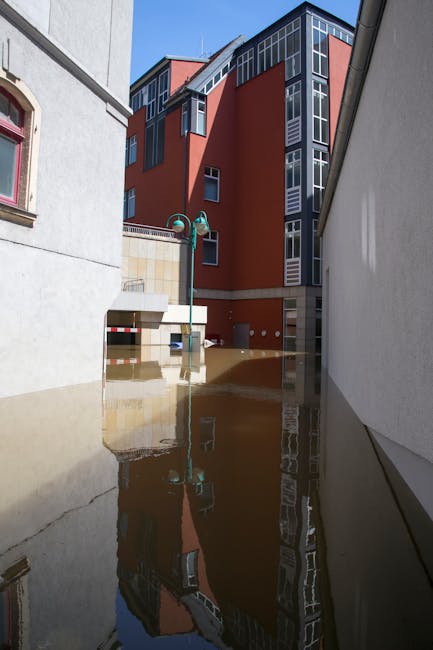
Last minute flood cleanup and emergency cleaning Kingston: what to do first, what matters most, and how to get back to normal
If water has just hit your home, shop, office, or rental property, the next few hours can feel messy, loud, and honestly a bit panicky. That is exactly where Last minute flood cleanup and emergency cleaning Kingston becomes more than a service label - it is the difference between containing damage and letting it spread. Whether the problem came from a burst pipe, a backed-up appliance, heavy rain, or a slow leak that suddenly turned into a soaked floor, quick decisions matter.
This guide walks you through the practical side of urgent flood cleaning in Kingston: what to do first, how the process usually works, what to avoid, and how to choose a sensible next step. You will also find a checklist, a comparison table, and a realistic look at when emergency cleaning is worth calling in straight away. No fluff. Just the stuff that helps when the place smells damp and the carpet is squelching underfoot.
Why Last minute flood cleanup and emergency cleaning Kingston Matters
Flood damage is not just about visible water on the floor. The real trouble starts after the obvious puddles disappear. Moisture can hide under carpets, inside skirting boards, behind furniture, and beneath laminate or timber flooring. Left alone, it can trigger odours, staining, mould growth, warped materials, and a much bigger insurance headache later on. To be fair, a room can look "mostly fine" and still be quietly soaking underneath.
In Kingston, where homes, flats, high-street units, and older buildings all sit close together, flood issues can spread quickly. A leaked washing machine in a first-floor flat can affect the flat below. A burst pipe in a shop can disrupt stock, flooring, and customer access. In an office, even a small water event can create slip risks and downtime. Emergency cleaning is about stopping that chain reaction early.
It also matters because time changes the job. Fresh water is usually easier to remove than water that has sat for hours. Clean water, grey water, and contaminated water all call for different levels of caution. The longer the delay, the more likely you are to need deeper remedial cleaning rather than simple extraction and drying. No magic here - just physics, and a bit of unpleasant reality.
Expert summary: the best flood response is fast, calm, and methodical. First make the space safe, then remove the water, then dry and clean everything properly. Rushing the wrong part usually makes the final bill, and the final mess, worse.
If your property also needs a broader reset after the incident, it can help to look at related services such as deep cleaning in Kingston upon Thames or one-off cleaning support once the urgent water issue has been handled.
How Last minute flood cleanup and emergency cleaning Kingston Works
Most emergency flood cleaning jobs follow the same core sequence, even if the exact tools or timing vary. The cleaner or response team is trying to stabilise the property first, then make it safe, then restore what can be restored. Simple in theory. Slightly less simple when there is water under a sofa and a hallway carpet that has turned into a sponge.
1. Assessment and safety check
The first step is a quick look at the source, size, and type of water damage. That includes checking whether electricity needs isolating, whether the water is safe to handle, and which areas are affected. If there is any chance of sewage, contaminated water, or electrical risk, the approach becomes much more cautious.
2. Water removal and extraction
Standing water is removed using extraction equipment, absorbent materials, or manual methods depending on the situation. The aim is to reduce moisture as quickly as possible so it cannot sink deeper into floors, underlay, or walls. This is where speed really pays off.
3. Drying and ventilation
After visible water is removed, drying begins. That may mean opening up the area, using air movement, and monitoring damp surfaces. In some cases, furniture is moved or lifted to allow airflow. A room can look dry at a glance and still hold enough moisture to cause trouble later, so proper drying is more than just cracking a window and hoping for the best.
4. Cleaning and sanitising
Once the moisture is under control, affected surfaces are cleaned. This may involve carpets, upholstery, hard floors, walls, and touchpoints that have come into contact with dirty water. If the flood involved food debris, mud, drainage water, or other contaminants, sanitising becomes especially important.
5. Deodorising and final checks
After the clean, professionals often deal with lingering smells and perform a final inspection. This matters because a damp odour usually means moisture remains somewhere. If the smell returns after a day or two, the job may need another look. That is one reason emergency cleaning is best handled by people who know what to test, not just what to wipe.
In Kingston homes and offices, this process often overlaps with other cleaning needs such as carpet cleaning in Kingston upon Thames or upholstery cleaning in Kingston upon Thames, especially if soft furnishings have absorbed water.
Key Benefits and Practical Advantages
Emergency flood cleaning is not just about making the place look better. The practical benefits are broader, and they show up quickly if the response is handled properly.
- Less secondary damage: drying the area quickly helps reduce swelling, staining, and material breakdown.
- Lower odour risk: early cleaning reduces the stale, musty smell that often lingers after water exposure.
- Better hygiene: if the water was dirty, proper cleaning helps reduce contamination on floors and soft furnishings.
- Reduced downtime: this matters for offices, shops, rentals, and shared buildings where access and usability matter.
- More salvageable items: the quicker the response, the more likely carpets, upholstery, and contents can be saved.
- Stronger insurance position: a prompt, sensible response and good records can help when you need to explain what happened.
There is also a quiet benefit people forget: peace of mind. When a flood hits, the brain tends to jump straight to worst-case scenarios. A structured clean gives you something solid to do, and that helps. You can see the situation improving hour by hour, which is a relief in itself.
If the incident has affected a rental move-out or end-of-tenancy timeline, it may be useful to review end of tenancy cleaning in Kingston upon Thames after the emergency work is complete. Flood damage and tenancy deadlines are not a fun mix, let's face it.
Who This Is For and When It Makes Sense
Emergency flood cleanup is relevant to a lot more people than you might think. It is not only for dramatic, whole-house flooding. In Kingston, a quick-response clean can make sense for all sorts of everyday situations.
- Homeowners dealing with burst pipes, appliance leaks, roof ingress, or bathroom overflows.
- Tenants who need to limit damage before it affects their deposit or the landlord's property.
- Landlords and agents trying to protect a rental, keep neighbours happy, and restore the space quickly.
- Shop owners who need the floor safe, stock protected, and customer access back as soon as possible.
- Office managers facing soggy carpet tiles, damaged records, or a workspace that simply cannot stay closed.
- Hospitality venues where wet floors, smells, and hygiene concerns can affect trading fast.
It makes sense to call urgently when water is spreading, when surfaces feel soft or swollen, when there is a noticeable smell, or when the source of the water is not clear. If there is any doubt about electrical safety, contaminated water, or structural damage, do not try to power through it yourself. That is one of those jobs where caution is not optional.
For businesses in particular, it may also be worth looking at office cleaning in Kingston upon Thames once the water is gone, especially if the incident has left desks, communal areas, or washrooms in need of a fuller reset.
Step-by-Step Guidance
If you are dealing with flooding right now, the first 30 minutes matter a lot. Here is a simple, practical order to follow.
- Stop the source if you can do so safely. Turn off the water supply if it is a pipe or appliance leak. If you are not sure, leave it and get help.
- Isolate electrical risks. If water is near sockets, appliances, or extension leads, keep clear and switch off power only if it is safe to reach the isolator.
- Protect people first. Move children, pets, and anyone vulnerable away from the wet area. Slips happen quickly.
- Take a few photos. Do this before much is moved, if you can. That can be helpful for insurance or landlord communication.
- Remove what you can. Lift dry items, lightweight furniture, rugs, and anything that might stain or wick moisture.
- Blot, don't scrub. On soft surfaces, heavy rubbing can spread the contamination or push water deeper.
- Start airflow. Open internal doors where safe and encourage air movement. Dry air helps, though it is not a substitute for proper extraction.
- Call for emergency cleaning. If the water has soaked into flooring, carpet, upholstery, or hidden voids, get professional support promptly.
- Keep monitoring the smell and feel. A dry-looking floor is not the same as a dry floor.
A small but useful detail: if furniture legs have sat in water, move them onto foil, blocks, or another dry support where appropriate. It helps stop staining from creeping up and keeps airflow moving underneath. Simple, but effective.
Expert Tips for Better Results
Having seen emergency cleans go well and, shall we say, less well, a few habits consistently improve the outcome.
- Act before the floor feels "proper soaked". If you can hear dripping or see spread, the job has already begun.
- Document everything. Photos of the source, the room, and the affected items help keep everyone aligned later.
- Be honest about water type. Clean water, rainwater, and contaminated water are not treated the same way.
- Lift soft furnishings early. Cushions, curtains, and rugs can keep moisture trapped for far longer than you expect.
- Check hidden edges. Corners, skirting boards, under radiators, and beneath appliances are easy to miss.
- Ask what will be cleaned and what may need replacement. Not every item can or should be restored.
- Keep the room ventilated after the main clean. Drying is not a one-and-done moment.
One practical Kingston-specific point: flats and mixed-use buildings often mean neighbour concerns, shared hallways, or limited access. So it helps to coordinate entry, parking, and timing early. The cleaner the logistics, the faster the actual restoration work can begin.
If you want a broader understanding of what a clean, safe reset can look like after water damage, you may also find the services overview helpful for seeing how different cleaning needs fit together.
![Photograph of a red-brick building with multiple rectangular white-framed windows and a black tiled roof, situated along a flooded area with murky water covering the ground floor. The building features a sign reading 'WOODSMILL' and decorative white metal balconies. A tall metal industrial crane is positioned behind the structure, and a seagull is flying overhead against a cloudy sky. The scene depicts the impact of flooding, emphasizing the importance of surface cleaning and sanitisation, which [COMPANY_NAME] provides in Kingston upon Thames for emergency cleaning and flood damage restoration.](/pub/blogphoto/last-minute-flood-cleanup-and-emergency-cleaning-kingston2.jpg)
Common Mistakes to Avoid
Flood cleanup often goes sideways because people try to be helpful in the wrong way. It happens. Here are the usual traps.
- Waiting too long. Damp does not politely pause while you decide what to do.
- Using heat too aggressively. Strong heat can warp materials or bake stains into place.
- Scrubbing contaminated water into fabric. That can make the problem harder to remove.
- Putting everything back too soon. Furniture, boxes, and rugs can trap moisture underneath.
- Ignoring odours. A smell is often a clue, not just an annoyance.
- Assuming dry on top means dry underneath. This is probably the biggest one.
- Forgetting documentation. Without photos, timelines, or notes, it is harder to explain the situation later.
A little humour, if you can call it that: "it looks dry enough" is not a measurement. It is more of a wish. And wishes are not much use when the underlay is still wet.
For anyone comparing support options after an incident, it is wise to read about pricing and quotes so you have a better sense of what should be clear, what should be explained, and what questions to ask before booking.
Tools, Resources and Recommendations
Emergency flood cleaning is much easier when the right kit and process are used. You do not need to own the equipment yourself, of course, but knowing what tends to be used helps you judge whether the response is sensible.
| Tool or method | What it helps with | Best used when |
|---|---|---|
| Water extraction equipment | Removing standing water quickly | Carpets, hard floors, and large puddles |
| Air movers or strong ventilation | Speeding up drying | After the bulk of the water has been removed |
| Absorbent materials | Pulling moisture from edges and smaller areas | Skirting lines, corners, and awkward spots |
| Protective gloves and footwear | Reducing hygiene and slip risk | Any water event, especially dirty water |
| Deodorising and sanitising products | Managing odour and hygiene concerns | After contamination or prolonged damp |
| Moisture checks | Confirming hidden damp | Under flooring, in corners, and behind fixtures |
For customers who want a one-off visit rather than a standing arrangement, one-off cleaning in Kingston upon Thames can be a sensible fit once the emergency is contained. And if you are still comparing the company background, about us gives a clearer sense of who is behind the work.
Practical recommendation: if flood water touched soft furnishings, carpets, or mattress surfaces, ask specifically about cleaning methods for fabrics rather than assuming one approach fits all. Different materials react differently, and that matters.
Law, Compliance, Standards, or Best Practice
Flood cleanup can touch on safety, insurance, tenant-landlord responsibilities, business continuity, and hygiene. While the exact obligations depend on the property and the situation, a few best-practice principles are worth keeping in mind.
First, safety comes before cleaning. If there is electrical risk, contaminated water, unstable flooring, or any sign of structural damage, the area should be treated carefully until it is safe to enter. Second, property owners and occupiers should keep a clear record of what happened, when it happened, and what action was taken. That can support insurance discussions and make later decisions easier.
Third, if the flood affects a shared building or rental property, early communication matters. Landlords, managing agents, tenants, neighbours, and insurers may all need to know different pieces of the story. A prompt, calm message usually works better than a long back-and-forth after the fact.
From a cleaning standards perspective, good practice generally means separating visibly wet removal, drying, sanitising, and final inspection rather than treating it as a single wipe-down. That distinction sounds simple, but it is often what separates a tidy-looking room from a genuinely safe one. If you need clarity on how jobs are handled, it is worth checking insurance and safety information and health and safety policy details before booking any urgent work.
And if you are comparing providers, it is never out of place to read the terms and conditions so there are no awkward surprises. Truth be told, clarity is underrated.
Options, Methods, or Comparison Table
Not every water incident needs the same response. Sometimes a light clean and dry-out is enough. Other times you need full emergency intervention. Here is a simple comparison.
| Approach | Best for | Pros | Limits |
|---|---|---|---|
| DIY surface clean-up | Very small spills or minor clean water leaks | Fast, cheap, immediate | Misses hidden damp, risky for contaminated water |
| Emergency flood cleanup | Soaked floors, carpets, or fast-moving leaks | Targets hidden damage, supports safe drying | May cost more than DIY, but usually saves hassle later |
| Deep cleaning after flood damage | Rooms left with residue, smell, or staining | More thorough restoration of hygiene and appearance | Not always enough on its own if moisture remains |
| Combined restoration approach | Larger incidents or multi-room damage | Best for long-term results and fewer repeat issues | Requires more coordination and time |
For many Kingston properties, the best answer is a combination of emergency water removal followed by targeted cleaning. If the flood has affected carpets specifically, reading up on carpet cleaning guidance for High Street flats in KT1 can help you think through fabric care in a more realistic way.
And if your situation is tied to a move, a property handover, or a rental deadline, the end-of-tenancy checklist for Norbiton Estate KT2 may be a useful companion read. Different problem, same need for order.
Case Study or Real-World Example
Here is a realistic Kingston scenario. A small leak under a sink in a ground-floor flat starts in the morning, but it is not spotted properly until late afternoon. By then the kickboard is damp, the vinyl edge feels soft, and the kitchen mat has wicked water toward the hallway. Nothing looks dramatic at first glance, which is exactly why these jobs catch people out.
The sensible response is immediate isolation of the water source, quick removal of anything sitting on the floor, and a proper emergency clean. The affected area is extracted, the edges are checked, and the room is ventilated. Any soft furnishings or absorbent items nearby are assessed for salvageability. Then the floor and lower surfaces are cleaned so grime and residue do not linger after the drying stage.
In a case like this, the biggest win is not the visible wipe-down. It is catching the moisture before it spreads into adjoining units or starts a smell cycle. A day later, the flat may still need monitoring, but the odds of deeper damage are much better than if it had been left until the next morning. Small leak, big difference. That is the whole point.
For homes in busier parts of Kingston, where daily life does not stop for a domestic mishap, a fast response often sits alongside normal household cleaning needs. If you want a broader local context, domestic cleaning in Kingston upon Thames and house cleaning support in Kingston upon Thames can be useful once the emergency phase is over.

Practical Checklist
Use this as a quick same-day reference if you are dealing with flood water right now.
- Confirm the source of the water, if safe to do so.
- Turn off supply points or isolate power where it is safe.
- Move people, pets, and valuables away from the wet area.
- Take photographs before major cleanup starts.
- Remove loose items, mats, and lightweight furniture.
- Do not scrub dirty water into fabrics or carpets.
- Open doors for airflow if conditions allow.
- Check under furniture, along skirting, and near appliance bases.
- Arrange emergency flood cleanup if water has soaked in.
- Keep an eye on odour, discolouration, or recurring damp patches.
- Document any conversations with landlords, agents, or insurers.
- Follow up with a deeper clean if the room still feels contaminated or stale.
If you are also comparing normal cleaning and follow-up maintenance, a helpful next read is spring cleaning in Kingston upon Thames. It is not the same thing as flood restoration, of course, but sometimes a property benefits from both. One gets the water out; the other gets life back in.
Get a free quote today and see how much you can save.
Conclusion
Last minute flood cleanup and emergency cleaning Kingston is really about protecting what can still be protected. Act quickly, keep the situation safe, and use a methodical approach rather than hoping the damp will sort itself out. It usually will not. The homes and businesses that recover best are the ones where someone makes a calm decision early and follows through.
Whether you are dealing with a burst pipe, a rainwater ingress, or an unexpected indoor soak that has turned your plans upside down, the smartest move is to stop the spread, dry the space properly, and clean it with the right level of care. That is the practical route. The sensible route. And usually the cheapest route in the long run, which is nice for once.
If you need a local team that understands urgent cleaning, property care, and the realities of working fast without making a mess worse, you are in a good place to take the next step. And if it is a bit overwhelming just now, that is normal. Take the first action, then the next one. That is enough for today.


