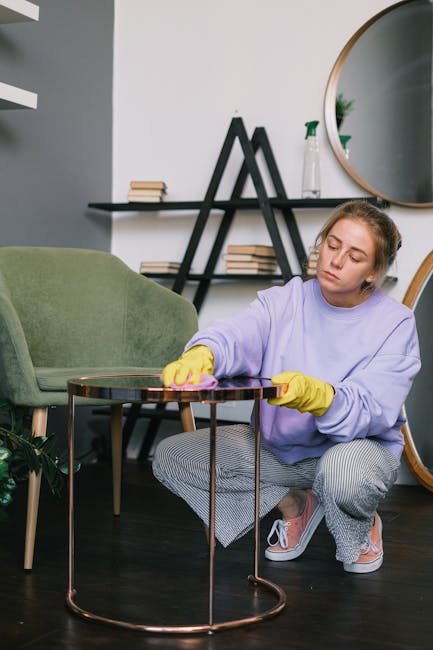
Upholstery cleaning tips for Canbury Gardens homes
Posted on 23/05/2026
If you live in Canbury Gardens, you already know the appeal of a home that feels calm, tidy, and lived-in rather than overworked. Sofas, armchairs, dining chairs, and ottomans do a lot of heavy lifting in that everyday comfort. They catch crumbs after supper, hold onto pet hair, absorb the odd spill, and quietly collect the dust that London homes seem to attract by magic. That is exactly why upholstery cleaning matters. Done well, it keeps fabrics looking fresher for longer, helps furniture last, and makes a room feel cleaner in a way you can actually notice. This guide shares practical Upholstery cleaning tips for Canbury Gardens homes that are realistic, safe, and useful whether you're spot-treating a mark or planning a deeper refresh.
We'll cover what upholstery cleaning involves, how to approach different fabric types, which mistakes can make things worse, and when it makes sense to bring in a professional. A small warning, though: upholstery can be forgiving, but it can also be a bit fussy. A quick dab in the wrong place can turn a small stain into a bigger headache. So let's do this properly.

Why Upholstery cleaning tips for Canbury Gardens homes Matters
Upholstery is one of those things people only notice when it starts to look tired. Then suddenly, everything feels less fresh. In a home near Canbury Gardens, where family life, commuting, guests, pets, and busy routines can all happen in one day, furniture gets used hard. The arm of a sofa becomes the place everyone leans on. Dining chairs pick up food spots. A favourite reading chair gathers a film of dust before you realise it. Truth be told, this is normal.
Cleaning upholstery is not just about appearance. Fabric fibres trap dry soil, cooking residue, body oils, pollen, and general household dust. Over time, that build-up can affect texture, colour, and even odour. It can also make the room feel less comfortable, especially in smaller living spaces where air circulation is limited. And if someone in the household has allergies or sensitive skin, a cleaner soft-furnished room can make day-to-day living feel noticeably better.
There is also a simple money angle. Good cleaning habits help slow wear. That can extend the life of a sofa or chair by years, which is no small thing when quality furniture is expensive to replace. If you want to understand how upholstery care fits into wider home maintenance, it may also help to read about deep cleaning services in Kingston upon Thames and how they support a full-home refresh.
For local households, the practical goal is straightforward: keep furniture looking presentable without damaging the fabric. That means choosing the right method for the material, dealing with spills promptly, and knowing when to stop. Yes, really. Sometimes the best cleaning decision is not to keep scrubbing.
How Upholstery cleaning tips for Canbury Gardens homes Works
At its simplest, upholstery cleaning works by removing three things: loose soil, attached grime, and stains. The trick is doing that without pushing dirt deeper into the fibres or saturating the padding underneath. Sofas and chairs are not like hard surfaces. They are layered, absorbent, and often stitched or trimmed in ways that react differently to moisture and cleaning products.
The basic process usually looks like this:
- Inspect the fabric - check the care label, look for wear, and identify the type of stain.
- Vacuum thoroughly - remove crumbs, pet hair, dust, and grit before any wet cleaning.
- Spot test - try any product on a hidden area first to check for colour transfer or marking.
- Treat spots carefully - use a suitable cleaner and avoid over-wetting.
- Rinse or blot as needed - remove residues so they do not attract more dirt.
- Dry properly - let airflow do its job and avoid sitting on damp fabric too soon.
Different methods suit different situations. Some fabrics respond well to low-moisture cleaning and careful blotting. Others need professional hot water extraction or specialist dry cleaning solutions. The label matters here. Those little codes on upholstery tags are not there for decoration, even if they look annoyingly cryptic at first glance.
If you're comparing service options for a broader clean, the company's services overview is a useful place to see how upholstery care sits alongside carpet and domestic cleaning options.
Key Benefits and Practical Advantages
Well-executed upholstery cleaning gives you more than a brighter sofa. It improves the feel of the room. It can make a lounge look more welcoming, reduce lingering smells from cooking or pets, and help fabrics keep their original tone rather than slowly going dull.
Here are the most practical benefits:
- Longer fabric life - dirt particles act like fine grit and can wear fibres down.
- Better indoor comfort - cleaner furnishings often make the whole room feel lighter and more breathable.
- Improved appearance - a clean armchair or sofa can change how the whole space presents.
- Odour reduction - useful where food, pets, or damp coats have left a lingering smell.
- Better stain control - quick action makes future spills easier to manage.
- Higher confidence when hosting - no one enjoys wondering whether a cushion hides a mysterious mark.
There is also a quieter benefit: peace of mind. When your seating looks and smells cared for, the home just feels more settled. Not flashy. Just better.
For households that like to keep on top of everything in one go, upholstery care often pairs nicely with a seasonal reset. The site's spring cleaning service in Kingston upon Thames is relevant if you're planning a wider freshen-up rather than treating one piece of furniture in isolation.
Who This Is For and When It Makes Sense
This guide is for anyone in Canbury Gardens who wants their furniture to stay in good condition without guessing their way through it. That includes homeowners, renters, landlords, busy families, pet owners, and anyone preparing a property for visitors, valuation, or handover.
It makes particular sense if:
- your sofa has visible marks or dull patches;
- you can smell lingering food, smoke, or pet odour;
- children or pets regularly use the furniture;
- you're moving out or getting ready for guests;
- the fabric is delicate and you're nervous about making a mistake;
- you want to maintain a neat, cared-for feel in the home.
Renters often ask whether upholstery care is worth it before the end of a tenancy. In many cases, yes, especially when furniture is part of a furnished rental. If you're managing a move, the broader end of tenancy cleaning support can be helpful alongside upholstery attention.
Small reality check: if the fabric is badly damaged, badly water-marked, or covered in a stain you've already attacked with random household products, DIY may not be the clean win you hoped for. That happens more often than people admit.
Step-by-Step Guidance
Here is a sensible, low-risk way to tackle upholstery cleaning at home. The order matters. Skipping ahead usually leads to more work later.
1. Check the care label first
Look under cushions or along the frame for the manufacturer's instructions. Common upholstery care symbols usually indicate whether the fabric is suitable for water-based cleaning, solvent cleaning, or professional-only treatment. If the label is missing, be cautious and test conservatively.
2. Remove loose debris
Vacuum every seam, crease, and cushion edge. A crevice tool is useful for crumbs and grit, while a soft brush attachment helps lift dust and pet hair. This step sounds simple, but it makes a big difference. Cleaning over loose dirt just turns dust into paste, and that's not a great look.
3. Identify the stain
Food stains, grease, drink spills, ink, mud, and body oils all behave differently. If you can identify the cause quickly, you can choose a better method. For example, fresh tea or coffee usually needs blotting and light treatment, while oily marks may need a fabric-safe degreasing approach.
4. Spot test the cleaning product
Apply a small amount to a hidden area first. Wait for it to dry fully. Check for colour fade, rings, or texture changes. If you see any reaction, stop. A useful cleaner on one fabric can be a disaster on another.
5. Blot, don't rub
Use a clean white cloth or paper towel and press gently from the outside of the stain inward. Rubbing spreads the mark and can rough up the pile. Blotting is slower, yes, but far safer.
6. Use minimal moisture
One of the biggest mistakes is over-wetting the upholstery. It can lead to damp smells, water marks, and slow drying inside the padding. Work in light passes. If the fabric needs more than that, pause and reassess.
7. Dry with airflow
Open windows if the weather allows, use a fan at a distance, and avoid direct heat unless the fabric instructions clearly allow it. Sit on the furniture only once it is fully dry. That sounds obvious, but people do forget. Then the cushion gets squashed and damp and suddenly everyone is pretending it's fine.
8. Finish by grooming the fabric
Some fabrics benefit from a gentle brush once dry, especially textured weaves or velvet-like finishes. This helps restore the look and keeps the nap consistent.
Expert Tips for Better Results
A few habits make upholstered furniture much easier to maintain. These are the little things that save you from larger jobs later.
- Treat spills straight away - fresh stains are much easier than old ones.
- Use white cloths - coloured towels can transfer dye when damp.
- Work in small sections - one cushion or one panel at a time keeps control tight.
- Keep cleaning product light - more product is not better. It usually leaves residue.
- Lift debris before wet cleaning - vacuuming first is non-negotiable, really.
- Pay attention to armrests and headrests - these areas carry the most body oils and wear.
- Rotate cushions regularly - it helps furniture age evenly.
Here is one small, practical insight: if a sofa sits near a window or radiator, one side can fade or dry out faster than the other. That uneven exposure can change how the fabric responds to cleaning, so always inspect both sides, even if the front looks fine.
Another useful tip is to keep a tiny cleaning kit in a cupboard near the living room. Not glamorous, but very effective. A white cloth, a gentle fabric-safe cleaner, a soft brush, and a vacuum attachment can stop a little spill from becoming a long weekend project.
If you are considering professional help, browsing the dedicated upholstery cleaning service in Kingston upon Thames can help you compare what a specialist clean may include.
Common Mistakes to Avoid
Most upholstery damage during cleaning comes from a handful of repeat errors. The good news? They're avoidable.
- Using too much water - moisture can seep into cushions and padding.
- Scrubbing aggressively - this can distort the fabric surface and spread stains.
- Skipping the test patch - risky on dyed, patterned, or delicate fabrics.
- Using the wrong household product - bleach, harsh sprays, or random stain removers can leave permanent marks.
- Cleaning only the stain - sometimes this creates a noticeable tide mark.
- Drying too slowly - lingering dampness invites odour and can affect the padding.
- Ignoring the label - the care code is there for a reason.
One mistake people make all the time is panic. A spill happens, the cloth comes out, then the first available spray is used because, well, there's a stain staring back at you. But a rushed reaction can fix nothing and make the repair harder later. If you catch yourself doing that, pause. Blot first. Breathe. Then decide.
For homes that need a broader refresh, a structured house cleaning service in Kingston upon Thames can sometimes be the better route than piecemeal DIY, especially when several rooms need attention at once.
Tools, Resources and Recommendations
You do not need a full cupboard of specialist products to look after upholstery well. In most homes, a small and sensible kit is enough for everyday care.
| Tool or resource | What it helps with | Why it matters |
|---|---|---|
| Vacuum with upholstery attachment | Dust, crumbs, pet hair | Prevents grit from grinding into fibres |
| White microfibre cloths | Blotting and gentle cleaning | Safer than coloured towels and easy to see soil transfer |
| Soft brush | Gently lifting dried residue | Useful for textured or woven fabrics |
| Fabric-safe cleaner | Spot treatment | Reduces the risk of damage from harsh chemicals |
| Fan or open-window airflow | Drying | Helps reduce odour and moisture retention |
| Professional cleaning service | Deep cleaning and difficult stains | Better for delicate fabrics, large items, or stubborn marks |
If you like having a reliable starting point, the company's request a quote page is a sensible next step for comparing a professional clean with DIY effort. And if you just want to speak to someone first, the contact page is there for straightforward enquiries.
For households that also manage regular upkeep across the property, the broader domestic cleaning service can be a helpful reference point when deciding how much cleaning to handle yourself.
Law, Compliance, Standards, or Best Practice
For most homeowners, upholstery cleaning is mainly about care and safety rather than legal compliance. Still, a few best-practice points are worth keeping in mind, especially if you're hiring someone to clean furniture in your home.
In the UK, it is sensible to choose a provider that works carefully around electrical items, uses appropriate cleaning products, and follows basic safety procedures for wet cleaning, ventilation, and product handling. If a cleaner is using chemicals, they should be able to explain what those products are intended for and how they are used safely. That is just good practice.
If you are a tenant, landlord, or managing agent, the condition of upholstered items may matter at check-in, check-out, or during routine property upkeep. Records, photos, and clear expectations can save hassle later. No one enjoys a debate about whether a mark was already there. Nobody.
You may also want reassurance about working practices and site safety. Pages such as the company's insurance and safety information and health and safety policy are useful trust signals when you're deciding whether to book a service.
In short: care labels, product suitability, ventilation, and cautious testing are the main standards that matter at home. Simple, but important.
Options, Methods, and Comparison Table
Not every upholstery job needs the same approach. A quick coffee mark on a sturdy fabric sofa is not the same as a delicate velvet chair in a family sitting room. Choosing the right method saves time and protects the furniture.
| Method | Best for | Pros | Limitations |
|---|---|---|---|
| Vacuuming and dry grooming | Routine maintenance | Quick, safe, prevents build-up | Won't remove deep stains |
| Spot cleaning | Fresh spills and isolated marks | Targeted and economical | Risk of rings or fabric reaction if overdone |
| Low-moisture upholstery cleaning | General refresh on suitable fabrics | Less soaking, faster drying | May not tackle heavy staining alone |
| Professional deep cleaning | Heavily used sofas, armchairs, family homes | More thorough, better stain control, expert fabric handling | Needs booking and may cost more than DIY |
For many Canbury Gardens homes, the answer is a mix: regular vacuuming, careful spot treatment, and an occasional professional clean when the furniture starts to look or smell tired. That balance is often the sweet spot.
Case Study or Real-World Example
Picture a typical family living room near Canbury Gardens on a wet weekday evening. Shoes come off by the door, the radiator is ticking softly, and a mug of tea gets knocked while someone reaches for the remote. A small spill lands on the sofa cushion. Nothing dramatic, but enough to leave a mark if it is ignored.
The sensible response is immediate: blot with a dry white cloth, check the care label, and test a fabric-safe cleaner in a hidden corner. A little moisture is applied, not a flood. The stain lifts most of the way, but a faint shadow remains. Instead of scrubbing harder, the homeowner lets the area dry fully, then reassesses the next day. Better to take it in stages than to make the whole cushion look patchy.
Later in the week, they notice another issue: the sofa arms feel slightly greasy and dusty from daily use. Rather than chasing each issue separately, they vacuum the whole piece, brush the pile lightly, and decide to book a deeper professional clean before the upholstery reaches the point where it starts to look flat and worn. That's usually the smart move. Not because they failed, but because furniture maintenance is easier when you stay ahead of it.
This kind of approach works well for busy homes. It is not glamorous. It just works.
Practical Checklist
Use this quick checklist before you start cleaning upholstery at home:
- Check the care label and identify the fabric type.
- Vacuum thoroughly, including seams and under cushions.
- Test any cleaner on a hidden area first.
- Blot spills gently instead of rubbing.
- Use the smallest amount of moisture needed.
- Avoid soaking seams, piping, and padding.
- Allow full drying with good airflow.
- Brush the fabric lightly if needed once dry.
- Repeat only if the fabric tolerates it and the stain is still safe to work on.
- Call a professional if the fabric is delicate, valuable, or heavily stained.
Expert summary: the safest upholstery cleaning habits are simple ones - vacuum first, test first, blot first, and dry fully. If you remember only that, you'll avoid most of the common problems people run into at home.
Get a free quote today and see how much you can save.
Conclusion
Good upholstery care is not about chasing perfection. It is about keeping the furniture in your Canbury Gardens home clean enough, fresh enough, and protected enough that it keeps doing its job without becoming a burden. A little routine attention goes a long way. So does knowing when to step back and let a trained cleaner handle the heavy lifting.
If your sofa is looking dull, your armchairs are carrying the evidence of everyday life, or you simply want a cleaner, calmer home, now is a good time to act. Small improvements add up. And honestly, a well-kept sofa does more for a room than people give it credit for. Quietly, it changes everything.
If you want more local reading around home care and the Kingston area, you may also enjoy the blog posts on what locals say about life in Kingston and the balance of urban energy and suburban calm in Kingston. They give a nice sense of the local backdrop these homes sit in. Different topic, same local feel.
And if you're curious about the wider area, the company's about us page and pricing and quotes information can help you decide your next step with a bit more confidence.